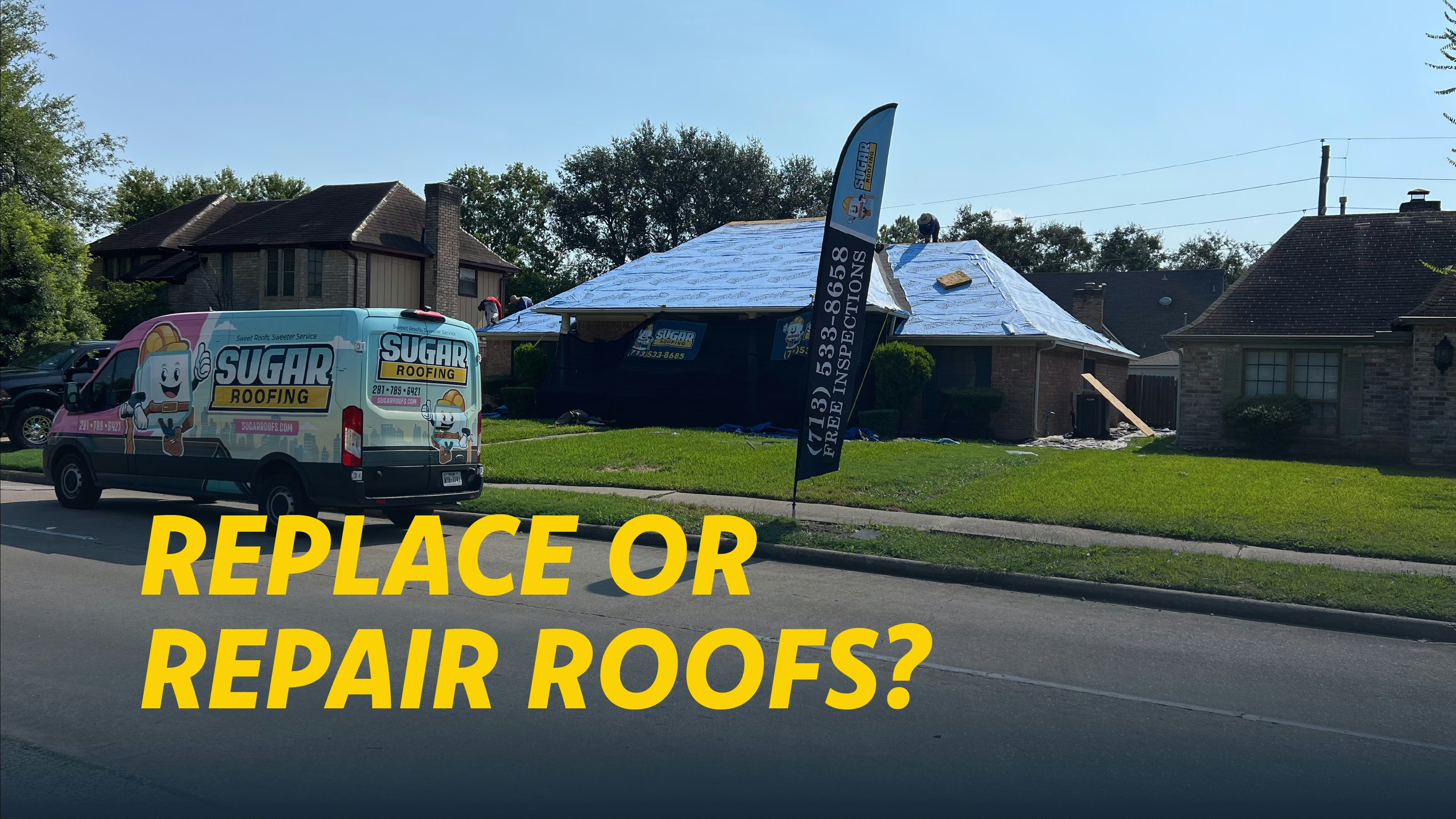
If you live in the Greater Houston area, your roof works overtime. Gulf Coast heat, humidity and storm seasons can shorten a roof’s life if the system was not designed or installed for our climate. If you have been noticing leaks, shingles curling, high attic temperatures or frequent AC strain, it may be time to plan a full replacement. Use this guide to decide whether a tear-off makes sense, how to handle permits and insurance in Texas, and what to upgrade while the roof is open so your home stays cooler and drier.
A tear-off removes all existing roofing down to the deck, then rebuilds the system. In Houston’s climate, this often outperforms a simple overlay, especially when heat and moisture have already stressed the structure. Clear signs a tear-off is the better path include soft or degraded decking that flexes underfoot, multiple shingle layers hiding trapped moisture, widespread leaks that return after patching, or hail and wind damage across large areas rather than isolated spots.
If you are unsure, schedule a professional assessment and moisture scan. Thermal imaging and a calibrated moisture meter can reveal wet decking, saturated insulation and failing underlayment that you cannot see from the ground. Ask for a photo-documented report, including close-ups of flashing, vents, valleys and penetrations, so you can make a decision with evidence, not guesswork. If localized repairs are still viable, we will say so. When replacement is the smarter long-term fix, a tear-off prevents you from layering problems and paying twice.
Ready to get eyes on the roof? Start with a Free Roof Inspection, review targeted options on our Roofing Repairs, or learn how we respond after severe weather on our Storm Damage Services.
Texas does not have a single statewide roofing permit, but many cities and HOAs around Houston require approvals. If you are on or near the coast, certain projects also need Texas Windstorm Insurance Association (TWIA) compliance and inspection for a WPI-8 certificate. Before work begins, verify city or county permits, HOA architecture approvals and, where applicable, coastal windstorm requirements. A reputable contractor will handle the paperwork and coordinate inspections.
Tear-offs often trigger code-required upgrades that improve performance. Expect proper attic ventilation sizing, code-compliant underlayment that may include ice and water protection in valleys and at eaves where needed, new drip edge, correctly lapped and sealed flashing, and re-nailing or re-decking where the sheathing is out of spec. These details matter in our high-wind, high-humidity environment, and they protect your manufacturer warranty.
If your roof was storm-damaged, start an insurance claim early and align the project scope with your adjuster. Your contractor should document damage, meet with the adjuster if requested, and help you understand line items so the final system meets code and manufacturer standards. For deeper guidance, read our blog, Do You Need a Permit for Roof Replacement in Texas, and check out our Roof Insurance Claims Assistance resources.
A smooth tear-off starts with jobsite setup. Dumpsters and material staging should be placed to protect your driveway and landscaping. Sensitive areas like flower beds and the AC or HVAC condenser get covered, and walkable paths are established to reduce traffic on grass. Inside, a quick attic prep helps keep dust off stored belongings. Daily magnet sweeps around the yard and driveway pick up stray fasteners before anyone finds them the hard way.
Houston weather can change fast, especially during storm season. Your crew should monitor radar, plan around pop-up showers and tropical systems, and dry-in sections the same day with synthetic underlayment. If a storm pops up mid-project, temporary dry-in and emergency tarping keep your home protected until the rain passes. If you ever need immediate help, our Emergency Roof Repair team is on call, and you can explore our full Roofing Services to see how we stage projects for safety and speed.
Talk through start and finish times so noisy work does not surprise your family or neighbors. Expect saws, nailers and traffic during the day, with quiet hours respected in the morning and evening. Share any considerations for pets and kids, and agree on daily cleanup expectations so your property looks tidy at day’s end.
A reroof is the best time to tune the whole system for Houston heat. Balanced attic ventilation reduces attic temperatures, eases HVAC load and helps prevent moisture. That means adequate intake at soffits and matched exhaust at the ridge or roof vents, calculated to your attic volume. This balance can lower attic heat by tens of degrees on summer afternoons – a difference you feel in comfort and utility bills.
Take advantage of insulation and air sealing touchpoints too. Install baffles to keep soffit vents clear, seal gaps around light boxes and penetrations, and consider radiant barrier underlayment options that reflect heat before it ever reaches the attic. While the roof is open, replace tired flashing, pipe boots and skylight kits to seal water entry points for the long haul. If your gutters clog or overflow in Gulf downpours, upgrading to properly sized gutters and guards will move water away from fascia and foundations more reliably.
Choosing materials is about budget, durability and risk tolerance. Architectural asphalt shingle systems offer strong value and impact ratings, while metal sheds heat quickly and resists wind exceptionally well. Tile can be the right choice for certain architectural styles if the structure supports it. We can help you compare wind and hail resistance, noise, weight, aesthetics and maintenance so you land on the right system for your home. Learn more on Attic Roof Ventilation, explore Roof Types and Roof Options, or plan runoff control with Gutter Installation.
Ask for an apples-to-apples proposal that spells out materials, accessories, ventilation strategy, flashing approach, labor, disposal, permits and the timeline. Transparent scope avoids change orders and ensures both the code items and comfort upgrades you want are included. If decking repairs are likely, include unit pricing so there are no surprises if soft spots appear during tear-off.
Warranties come in two parts. A manufacturer system warranty covers the products when installed as a designed system, and a workmanship warranty covers the installation itself. Make sure you know what is covered, for how long, and how to register your warranty after install. If you prefer extra peace of mind, ask about enhanced manufacturer warranties that include extended labor coverage when installed by certified contractors.
Roofing is a major investment, so explore financing and seasonal offers to fit the project to your budget. It also pays to hire a team that services your neighborhood, answers the phone after the job is done, and offers routine maintenance. When you are ready, request a free inspection or a full replacement quote, and we will walk you through options at your pace.
Get started with full roof replacements, compare Financing a Roof and current roofing offers, confirm we are nearby in our Service Areas, or simply Contact our team to book your visit.
