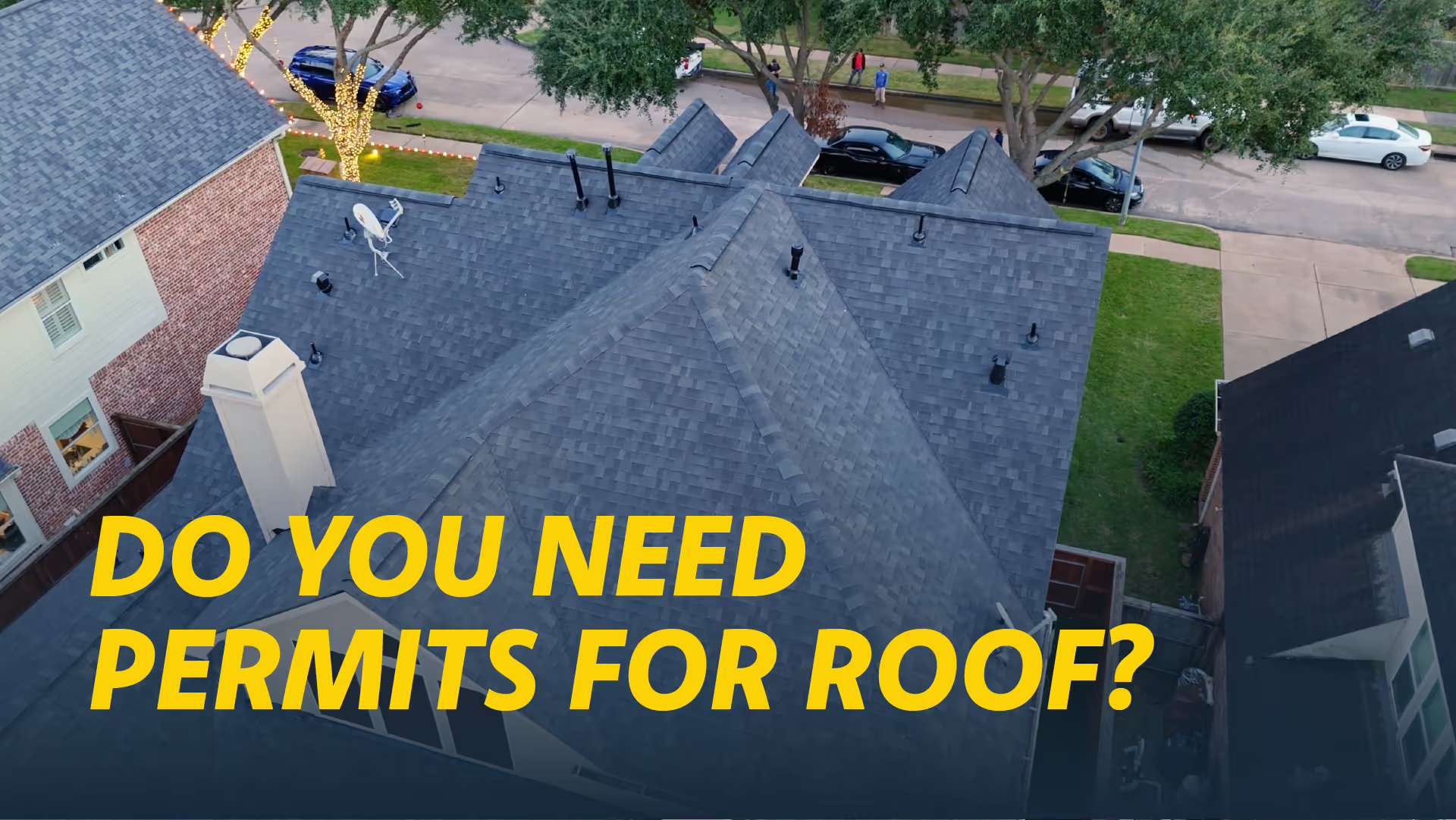
If you have been told you “might” need a permit for your roof in Texas, you are not alone. Texas handles roofing permits at the local level, so the right answer depends on where you live, the scope of work, and who insures your home. Here is what to know before you schedule a crew or sign a contract—and why booking a free roof inspection with Sugar Roofs can help you confirm scope, documentation, and timelines before work begins.
Texas does not issue a statewide roofing permit. Cities and counties set their own rules, and homeowners’ associations often add a second layer of requirements. In many municipalities, full roof replacements require a building permit, while small spot repairs are often exempt. Because rules vary, the safest move is to confirm with your local building department and your HOA before work starts. If your project is driven by storm damage, it may also help to review insurance claim assistance early so the paperwork matches what your carrier expects.
A quick example for context: Austin and Dallas commonly require permits for full replacements; Houston often requires a permit when decking is replaced; smaller towns may only require permits for structural changes. These details change over time, which is why verification up front saves headaches later. If you’re already seeing active leaks, don’t wait—our team can help with emergency roof repair while you sort out permits and next steps.
You will usually need a permit when the project involves a full tear-off and replacement, structural changes such as new rafters or trusses, or extensive decking and sheathing replacement. Many jurisdictions also require a permit for re-roofing or overlays, and some limit or prohibit multiple shingle layers entirely for safety reasons. If your scope points toward replacement, start here: full roof replacements and shingle roof replacements.
You might not need a permit for minor repairs, like replacing a few shingles or a small section of flashing. That said, each city defines “minor” differently. Some set a dollar or square-footage threshold, others look at whether decking is touched. When in doubt, ask; one short call can prevent a stop-work order. If the issue is leak-related, you may only need targeted roof leak repairs or broader roofing repairs depending on what the inspection reveals.
HOAs and historic districts often require separate approvals, specific colors or materials, and proof of contractor insurance. Skipping this step can delay your project or lead to fines. If you’re comparing materials (and what your HOA will approve), browse roof options before you commit.
Along the coast, wind is the big variable. Homes that rely on TWIA typically need windstorm-compliant roofing and an approved inspection with a WPI-8 certificate to maintain coverage. That means the roof design, materials, and fastening pattern must meet windstorm standards, and an approved inspector must sign off. If your roof was impacted by wind or hail, these pages may help you understand the claim and repair path: wind damage repair, hail damage repair, and storm damage claim & roof insurance.
Insurance carriers and mortgage lenders may also ask for proof that your roof work was permitted and inspected. Having the right paperwork on file can make claims and refinancing go smoothly. If you’re navigating a claim, our roof insurance claims assistance team can help align documentation with the scope of work.
Permit fees and review timelines vary by city and county. Many residential roofing permits are modestly priced and approved within a few business days, especially if plans are straightforward. Inspections are commonly required during or after installation to verify code compliance, nailing patterns, underlayment, and ventilation.
Skipping permits can create bigger problems than the fee you hoped to save. Cities can issue fines or stop-work orders that stall your project mid-stream. Future home sales can be delayed if buyers or their inspectors flag unpermitted work. Insurers may deny or limit claims when there is no record that the roof was installed to code. In short, permits are an inexpensive safeguard for your home’s value and your peace of mind.
One often-overlooked inspection item is ventilation. Many building departments and manufacturers care about proper intake and exhaust—especially on replacements. If attic heat or moisture is part of your problem, learn more about attic roof ventilation.
We navigate the local rules so you do not have to. Our team confirms your city or county requirements, your HOA or historic district guidelines, and whether your project qualifies for any exemptions. We prepare and submit the permit application, pay the fees on your behalf, and schedule required inspections at the right milestones. The process typically begins with a free roof inspection so the permit scope matches what your roof actually needs.
Working on the coast, we coordinate windstorm-compliant designs and inspections to secure the necessary WPI-8 certification, so your coverage stays intact. Every roof we build meets current code, manufacturer specifications, and local wind or hail considerations. When the job is complete, you receive a tidy packet with permits, inspection sign-offs, material and workmanship warranties, and photos for your records or insurer.
If you’re weighing cost options for a larger project, we can also walk you through financing a roof and promotions like 0% interest roof replacement, 12 months no payment, or roof replacement at $199/mo (when available and approved).
Ready to get clear on permits for your address? Request a free consultation. Share your location, and we will outline the exact steps, timelines, and expected costs before any work begins. That way you know what to expect, and your project stays on track from day one. To get started, contact Sugar Roofs.
Looking for more homeowner guidance? Explore our education articles, repair resources, and maintenance tips—or browse the full blog library.
