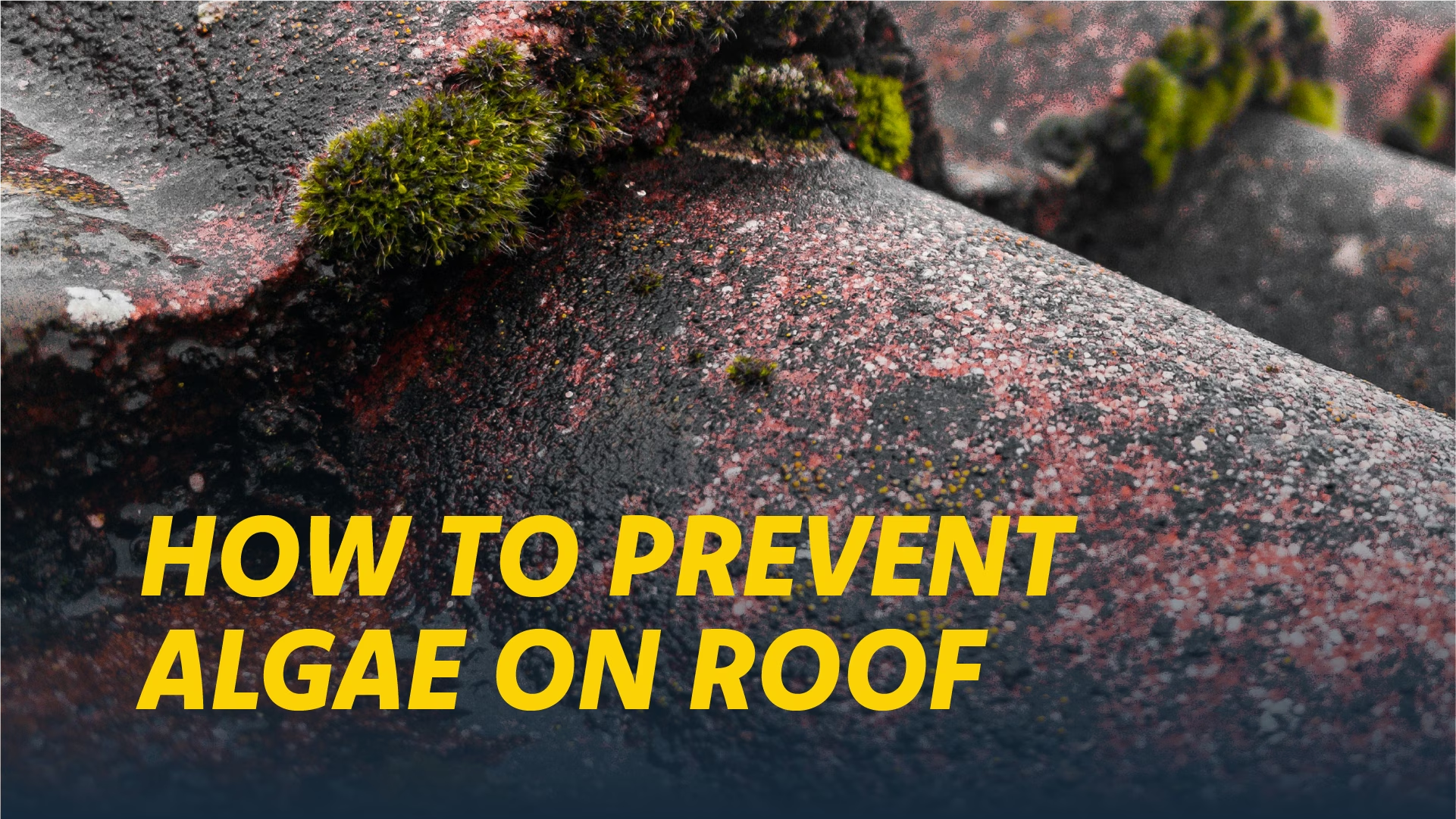
How to Prevent Algae On Roof
Roof algae, often Gloeocapsa magma, shows up as black or green streaks that hurt curb appeal, shorten shingle life and increase heat absorption that makes your AC work harder. In Houston’s warm, humid climate, algae thrives on shaded or slow-drying roof sections, limestone-filled shingles, poor attic ventilation and debris buildup. Homeowners can fight back by improving attic ventilation and venting appliances outdoors, trimming branches, keeping gutters clear, choosing algae-resistant shingles, adding copper or zinc strips and following a light-maintenance routine. For cleaning, skip pressure washing and harsh chemicals. Choose professional soft-wash methods with diluted, manufacturer-approved solutions, protect landscaping and inspect the roof before and after. Sugar Roofs offers free inspections, ventilation upgrades, repairs, replacements and gutter solutions throughout Greater Houston.
If you have noticed dark, streaky stains across your shingles, you are likely looking at roof algae, most often Gloeocapsa magma. Those black or green streaks are colonies of algae that thrive on moisture and nutrients on the roof surface. Beyond being an eyesore, algae can shorten shingle life and raise attic temperatures by increasing heat absorption. A hotter roof drives more heat into the attic, which can push your AC to run longer and harder. Our guidance here is informed by industry resources, including overviews like Mr. Roof’s discussion of common causes, along with manufacturer and ARMA recommendations.
Left alone, algae retains moisture against the shingle surface. Over time, that can contribute to granule loss and premature aging. It also hurts curb appeal, which can be a factor if you are thinking about refinancing or selling.
Common Causes of Algae On Your Roof
Houston’s warm, humid climate is prime territory for algae. After summer showers, shaded or slow-drying sections of the roof stay damp longer, especially on north-facing slopes or beneath heavy tree cover. Algae loves that extended moisture window.
Many asphalt shingles contain limestone filler, which provides a food source that helps algae get established. Combine that with pollen, dust and leaf debris, and you have an ideal habitat.
Attic conditions matter too. Poor ventilation or insulation can trap heat and moisture beneath the roof deck. We often find HVAC, bath, kitchen or dryer vents terminating in the attic instead of outdoors, which dumps warm, humid air where it does not belong. That extra moisture raises the risk of algae on the roof surface and mold inside the attic.
Debris buildup and clogged gutters hold water at the roof edge. When water lingers, shingles stay damp and stains spread.
Ways to Prevent Algae On Your Roof
You can make meaningful progress against roof algae with a few smart moves.
- Improve attic ventilation for balanced intake and exhaust. Confirm soffit vents are open and baffles are in place so air can move freely. If you suspect hot, stagnant air in the attic, start with a professional check of your system: Attic & Roof Ventilation. Also, be sure bath fans, kitchen vents, dryer ducts and HVAC flues discharge to the exterior.
- Manage shade and moisture. Trim overhanging branches to let sun and breeze reach the roof. Keep valleys and roof planes clear of leaf litter. Clean gutters regularly or upgrade to protection that helps water move off the roof: Gutter Installation.
- Choose algae-resistant materials at replacement. Modern AR shingles include copper or zinc granules that inhibit growth. If your roof is approaching end of life, ask us about options: Shingle Roof Replacements and Full Roof Replacements.
- Consider copper or zinc strips near the ridge. When rainwater runs over these metals, trace ions wash down the roof and help prevent regrowth.
- Set a light-maintenance schedule. A simple seasonal routine to remove debris, confirm gutters are clear and spot-check attic vents goes a long way. Always follow your shingle manufacturer’s care guidance to avoid voiding warranties.
Safe Cleaning: What To Do And What To Avoid
When it is time to remove existing stains, gentler is better for your shingles and your warranty.
- Prefer professional soft-wash methods using manufacturer-approved cleaners. Per ARMA guidance, contractors typically apply a diluted sodium hypochlorite solution, allow short dwell time, then rinse thoroughly. Landscaping should be pre-wet, protected during application and rinsed after. Never mix bleach with ammonia or other cleaners.
- Avoid pressure washing and harsh chemicals. High pressure can strip protective granules, force water under shingles and void warranties. Solvents and unapproved biocides can discolor or damage shingles.
- Inspect for damage before and after any cleaning. If you see missing granules, lifted shingles or soft spots, schedule a professional checkup: Free Roof Inspections. If a leak is suspected, we can help fast: Roof Leak Repairs.
If you prefer DIY, work from a secured ladder with proper fall protection, keep rinse pressure low, and follow the shingle maker’s instructions. When in doubt, call a pro.
When To Call Sugar Roofs (Local Help In Greater Houston)
We make this easy. Start with a no-pressure visit where we inspect the roof, the attic and the ventilation path. You will get honest, prioritized recommendations and a clear estimate. Book here: Contact Sugar Roofs and Free Roof Inspections.
Need prevention or remediation services? Our team handles attic ventilation upgrades, targeted roofing repairs, full replacements and gutter solutions that cut down on moisture retention: Roofing Repairs and Full Roof Replacements.
We proudly serve homeowners across the metro: Greater Houston Service Areas.
Ready to tackle those stains and lower attic heat gain? Book a free inspection or algae-resistant shingle consult today, and let Sugar Roofs keep your home cooler, cleaner and curb-appeal ready.