
If you’ve been searching and getting estimates for roof prices, you’ve probably seen numbers all over the place — and that’s exactly why homeowners get frustrated. One site says a roof is “$8,000,” another says “$30,000+,” and neither explains what’s actually included.
The truth: “Cost per square foot” is a helpful starting point, but it’s not a quote — because roofing isn’t just shingles. It’s a full system: tear-off, waterproofing layers, ventilation, flashing, decking repairs, cleanup, warranties, and the labor to install it correctly.
This guide gives you a homeowner-first breakdown of:
(For context, many national pricing guides place a 2,000 sq. ft. roof around $9,858–$41,822, with an average around $25,840, depending on material and roof complexity.)
Here is a breakdown of the average cost of your typical roof of your home, based one a typical cost per square footage of your home roof
This table shows how the cost of a standard architectural asphalt shingle roof of homes.
Most homeowners replacing a roof will typically fall into these installed ranges:
Your final cost depends on what the inspection reveals — especially decking condition, ventilation, flashing/pipe boots, and how complex your roofline is.
Here's a breakdown of the average cost of roof material per square foot.
This table compares common roofing materials by cost per square foot.
When homeowners look at a roof estimate, one of the biggest surprises is how much of the total cost goes toward labor. On average, labor accounts for roughly 50–60% of a roof replacement, depending on roof complexity, material choice, and installation conditions.
This isn’t because contractors are “marking things up” — it’s because installing a roof correctly is labor-intensive, highly skilled work that directly impacts how long your roof will last.
Labor pricing includes far more than just putting shingles on a roof. A professional roofing crew is responsible for:
Each of these steps requires trained installers, proper equipment, and time on the roof.
Even with square footage, materials, and labor accounted for, a few additional factors can influence final roof pricing:
These factors are usually identified during a professional inspection, which is why final pricing is always based on real conditions, not averages.
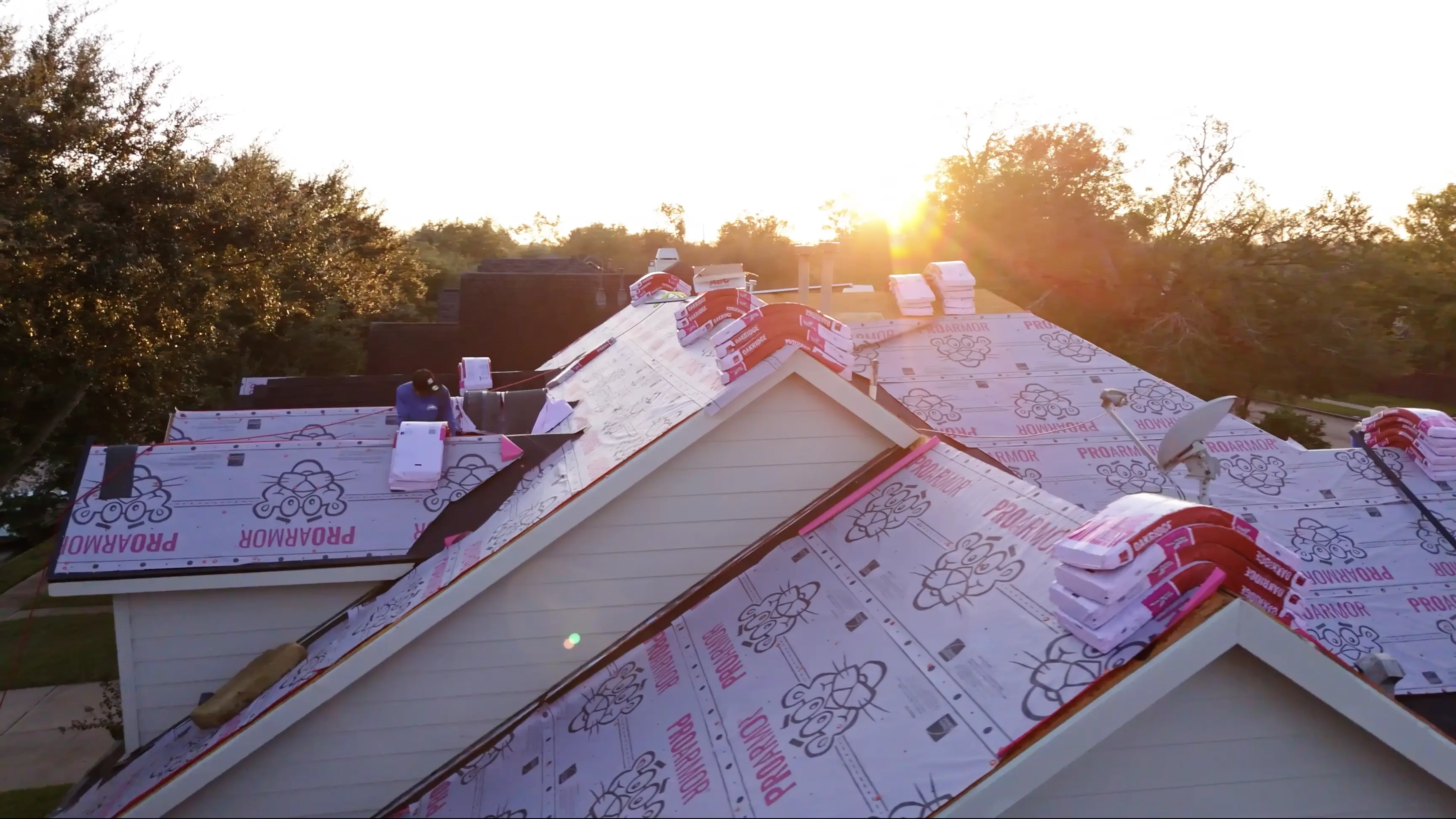
Choosing the right roofing contractor is just as important as understanding roof pricing. Even the best materials can fail if they’re installed incorrectly, which is why knowing what to look for in a contractor can save you time, money, and stress.
We’ve put together a dedicated guide that walks homeowners through:
👉 [Read our full guide on how to choose the right roofing contractor]
This resource is designed to help you make a confident, informed decision — whether you’re comparing roofing quotes or planning your next step.
For many homeowners, roof replacement costs aren’t paid entirely out of pocket — especially when damage is caused by storms, wind, or hail. In those cases, insurance coverage can significantly change what you actually pay, but only if the claim is handled correctly.
What many homeowners don’t realize is that insurance payouts are not based on contractor quotes alone. They’re based on policy structure, depreciation rules, approved scopes of work, and documentation. This is why two homeowners with similar roof damage can receive very different insurance payments — even in the same neighborhood.
If your roof damage may be insurance-related, it’s critical to understand:
We break this entire process down step by step in our dedicated guide:
👉 [Full Guide on Roof Damage Insurance Claims: Step-by-Step Instructions]
Reading that guide before accepting an estimate or insurance payment can help you avoid underpaid claims, unexpected out-of-pocket costs, and confusion during the replacement process.
At the end of the day, the cost of a roof isn’t just about square footage or material price — it’s about the condition of your home, the quality of the installation, and how well the system is built to protect you long term. Two homes with the same roof size can have very different final prices, and that’s not a red flag — it’s reality.
Understanding cost per square foot gives you a strong baseline, but a trustworthy roof price should always come from a thorough, professional inspection that looks at decking, ventilation, flashing, and overall roof complexity. That’s how you avoid surprises, shortcuts, and premature failures.
If you’re comparing estimates or planning a replacement, focus less on the lowest number and more on what’s included, how it’s installed, and who’s standing behind the work. A well-built roof isn’t just an expense — it’s protection, efficiency, and peace of mind for years to come.
At Sugar Roofing, our goal is simple: give homeowners clear answers, honest pricing, and a roofing system built the right way — no guesswork, no pressure, and no shortcuts.
If you’re ready for a professional inspection or want help understanding your options, we’re here to help you make a confident, informed decision.
